Self-awareness is one of those traits that does not come naturally to everyone. Some people find it second nature to examine themselves and their behaviors. Others need extra time and deliberate effort to truly understand what is happening inside their own minds.
It touches nearly every aspect of our lives. Self-awareness shapes how we respond to situations, how we communicate, and how we connect with the people around us. A strong sense of self-awareness makes it far easier to spot unhealthy dynamics or recognize when something in our lives needs to shift. Best of all, it fuels self-improvement and personal growth.
But turning inward doesn’t have to feel like a chore. It can actually be quite enjoyable. Optical illusions, for instance, offer a surprisingly revealing window into the human mind. They toy with our perception, nudging our brains into making split-second choices about what we see. Whatever you notice first could say a great deal about your personality and emotional world.
Here are eight optical illusions that might give you a deeper look into your inner self.
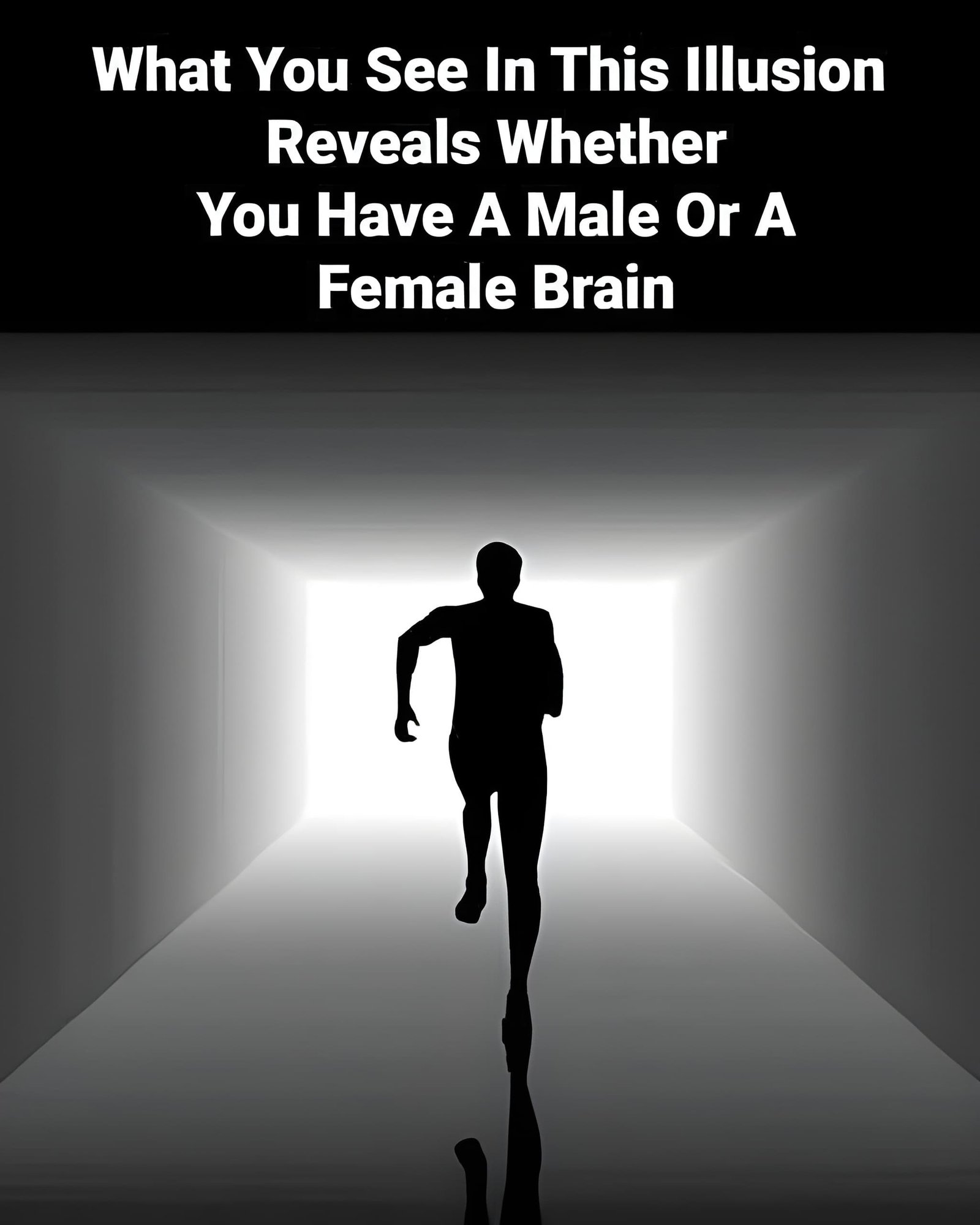
## 1. Which Direction Is the Figure Moving?
This is a classic — an image of a figure that appears to be either walking toward you or moving away. Despite being completely still, your brain will decide which direction based on your current mental state.
If you see the person walking away, you are likely a natural analyzer. You tend to think things through before acting and enjoy a logical approach. People like you often have sharp multitasking abilities and a strong gut instinct about outcomes.
If the person appears to be walking toward you, you are probably highly focused and detail-oriented. You like to dig into every layer of a problem and take real pride in doing things with precision and thoroughness.
Neither view is better than the other — it is simply fascinating how two people can look at the exact same image and see something completely different.
## 2. What Do You Notice First: A Cat or a Mouse?
This image taps into that timeless predator-and-prey dynamic. Both figures are hidden within the scene, but our brains tend to zero in on one over the other.
If you spotted the cat first and felt a sense of alertness, you are probably someone who is cautious, careful, and strategic by nature. You like to have everything in order before making a move. Stability and thorough planning matter a great deal to you.
If the mouse caught your attention instead, there is likely a streak of adventure and rebellion in your character. You prefer jumping in rather than spending endless time running through every possible ‘what if.’
Ultimately, it comes down to which part of your brain is currently more tuned in — the part craving control or the one hungry for exploration.
## 3. Do You See Lips or a Sunset?
This one looks straightforward, but it actually uncovers some pretty telling differences in how people think.
Seeing lips suggests you are a pragmatic, straight-talking person who says what you mean and means what you say. You tend to be more analytical and critical than optimistic, and you value the honest truth over a comforting illusion.
Seeing a sunset points to a more idealistic outlook. You tend to look for the good in people and situations, and you find real joy in helping others work through their challenges. This perspective usually comes with a high degree of empathy and emotional openness.
This illusion works as a handy little test to see whether you lean more toward realism or idealism.
## 4. Clouds or Fish?
Some people look at this image and see puffy clouds drifting across a landscape. Others see the curved, flowing body of a fish.
If you saw clouds, you are probably highly adaptable. You are comfortable going wherever life takes you and do not stress too much about uncertainty. The flip side is that too much flexibility can sometimes leave you feeling ungrounded.
If you saw the fish, you likely place a high value on your ‘school’ — the people around you. You form strong bonds quickly but may struggle to walk away from situations that have turned toxic because loyalty runs deep in you.
This illusion captures one of the most relatable internal tensions we face — the tug between wanting freedom and craving connection.
## 5. A Wine Glass or Two Forks?
This illusion puts your brain’s focus to the test — do you lock onto the central subject or do your eyes drift to the background?
If the wine glass grabbed your attention first, you are most likely goal-driven. You know what you want, you have the drive to go after it, and you remain aware of the people in your orbit even while chasing your ambitions.
If the forks jumped out at you, you probably lead more with your heart than your head. Empathy comes naturally to you, and you have a tendency to put everyone else’s needs ahead of your own.
This one does a great job of showing how you balance ambition with compassion.
## 6. Shy or Outgoing?
This illusion is less about identifying a specific object and more about how your eyes naturally move across a complex scene.
If you are drawn to the finer, easily overlooked details, you likely lean introverted. You prefer meaningful one-on-one conversations in calm settings over the noise and chaos of a crowd.
If your eyes go straight to the big, dominant elements of the image, you are probably more extroverted. Large groups energize you, and you feel right at home in busy, social environments.
It is simply a mirror reflecting how you naturally process social stimulation.
## 7. Are You Too Hard on Yourself?
This illusion digs a little deeper, getting into how you internalize criticism and view your own imperfections.
If you find yourself drawn to the flaws or the ‘broken’ elements within the image, there is a good chance you are quite self-critical. You likely hold yourself to very high standards and take your own stumbles hard. That drive can push you toward success, but it can also take a serious emotional toll.
If your focus stays on what is happening outside the image, you may be harder on others than you realize. That is not necessarily a bad thing — it just means your expectations of the people around you run pretty high.
At its core, this illusion simply shows whether your inner critic points the finger inward or outward.
## 8. What Does the Image Say About Your Love Language?
This is the most layered illusion of the bunch, and what you spot first likely speaks volumes about your emotional needs.
If you see physical closeness, a shared moment, or a simple gesture of care, you are someone who thrives on giving and receiving affection. Some people see an expression of love, while others see a deep need for companionship.
Getting to know this side of yourself can genuinely transform your relationships by helping you put into words what makes you feel truly loved.
## What Do Optical Illusions Actually Tell Us?
These are not clinical psychological assessments. They are tools for self-reflection. They offer a playful way to watch your brain prioritize certain patterns over others based on how you are wired in a given moment.
Psychology tells us that what we perceive is heavily shaped by our past experiences, our current mood, and our core personality. So what catches your eye first is never random — it is your brain’s own operating system at work.
And simply by noticing that process, you might just learn something new about yourself.
## Conclusion
Self-awareness is not a box you check once and move on. It is an ongoing journey of learning, unlearning, and evolving. Whether it comes naturally or takes real effort, self-awareness helps us move through life with a little more grace.
Optical illusions are just a light-hearted, low-stakes way to spark that curiosity. They remind us that perception is personal and that the brain reveals its secrets in surprisingly subtle ways. Not every result will ring true, but they sure do make you think.
At the end of the day, being self-aware really just means staying curious about who you are. And sometimes, all it takes is one quirky image to get you started.
Please SHARE this article with your family and friends on Facebook.